Kenya safari planning for Czech speakers means answering practical questions before anything else: the eTA process, costs in koruna, vaccination needs, and which parks are worth the time. Planning a first safari raises real logistics, not just excitement. You want honest answers about visas, health prep, budgets, and which parks actually deliver. This guide covers the details that matter for Czech travelers weighing a Kenya trip, including school holiday timing and how to pick parks without wading through generic advice. You will also find clear guidance on DIY versus agency booking, because that decision shapes everything else.
Do Czech Citizens Need a Visa or eTA for Kenya?
Yes. Since January 2024, Kenya replaced the old visa with the Electronic Travel Authorization, or eTA. Czech citizens must apply online before flying. The official cost is USD 32 per person, plus a small processing fee. You need a passport valid for at least six months, a return ticket, proof of accommodation, and a recent passport photo. Applications go through the Kenyan government eTA portal. Processing usually takes a few days, but apply at least two weeks before departure to be safe. Do not pay third-party sites more than the official price. Only the government portal and the airlines’ official advice should guide you.
Which Vaccinations Are Required or Recommended for Kenya?
No vaccine is mandatory for entry unless you arrive from a yellow fever endemic country. However, yellow fever vaccination is strongly recommended for most travelers, and Kenya may ask for proof on arrival if you flew from certain regions. Get it at least ten days before travel. Malaria prophylaxis is advised for most safari areas, including the Masai Mara and Amboseli. Speak to your Czech travel medicine clinic about atovaquone/proguanil or doxycycline. Also consider hepatitis A, typhoid, and a tetanus booster. Bring insect repellent with DEET and long-sleeved shirts for evenings. The risk is lower in Nairobi and at high altitude, but it is not zero.
What Is the Best Time of Year for a Kenya Safari?
Kenya has two dry seasons and two wet seasons. The long dry season runs from late June to October. This is prime safari time, especially for the Great Migration in the Masai Mara. Wildlife concentrates around water, so game viewing is easier. The short dry season, January to February, is also excellent. The green seasons, November to December and March to May, bring rain, but also fewer crowds, lower prices, and lush scenery. Bird watching peaks in the green months. The long rains from March to May can make some dirt tracks muddy, but many parks remain open. If you want the migration river crossings, target July through September, but be aware that crossing timing is unpredictable. For a quieter trip with good wildlife, consider early February or late November. For a deeper breakdown by month, see our guide on the best time to visit the Masai Mara.
How Much Does Kenya Safari Planning for Czech Speakers Cost Per Day in CZK?
Costs vary widely by comfort level and season. A budget safari in a basic tented camp or hostel, with shared game drives, can run from 2,500 to 4,500 CZK per person per day. Mid-range lodges and camps with private bathrooms and decent food cost roughly 5,000 to 9,000 CZK per day. Luxury camps in conservancies can exceed 15,000 CZK per day, sometimes much more. These figures include park fees, accommodation, meals, and game drives, but not international flights or drinks.
Park entry fees are separate and paid in US dollars, and they vary by park. The Masai Mara, set by Narok County rather than the national park authority, charges USD 100 per adult per day from January to June, rising to USD 200 per adult per day during the July to December peak season. Amboseli, managed by the Kenya Wildlife Service, charges USD 90 per adult per day. Other parks vary and change from time to time, so confirm the current rate before you travel.
| Park | Managed By | Park Fee (per adult, per day) | Best For |
|---|---|---|---|
| Masai Mara National Reserve | Narok County | USD 100 (Jan to Jun), USD 200 (Jul to Dec, peak) | Great Migration, Big Five |
| Amboseli National Park | Kenya Wildlife Service | USD 90 | Elephants, Kilimanjaro views |
| Samburu National Reserve | County government | Indicative USD 60 to 80, confirm current rate | Grevy’s zebra, reticulated giraffe |
| Lake Nakuru National Park | Kenya Wildlife Service | USD 90 | Flamingos, black and white rhino |
| Tsavo East and West | Kenya Wildlife Service | USD 80 | Red elephants, open landscapes |
| Ol Pejeta Conservancy | Private conservancy | Indicative USD 90 to 100, confirm current rate | Rhino sanctuary, chimpanzee sanctuary |
Budget at least 4,500 CZK per day for a comfortable experience, or more if you want private vehicles or a conservancy stay. Our detailed cost guide breaks down what a Kenya safari really costs in more depth.
Is It Better to Use a Czech Travel Agency or a Local Kenyan Operator?
That depends on your priorities. Czech agencies offer convenience, a single contact in your language, and packaged flights plus safari. They also handle the eTA and logistics for you. The downside is often a higher price and less flexibility. Local Kenyan operators usually offer better value per day, more choice of camps, and direct knowledge of current park conditions. You will communicate in English, which is widely spoken in the safari industry. Many Czech travelers combine both: booking flights with a Czech agency and arranging the safari with a local operator. For first timers who want zero stress, a Czech agency works. For those who want more control and better value, a local operator is a strong option. Read reviews carefully and check whether the operator is a member of the Kenya Association of Tour Operators.
How Many Days Do You Need for a Kenya Safari?
A classic Kenya safari lasts 5 to 7 days. That gives you two to three parks without rushing. A common route is Nairobi to Amboseli for two nights, then the Masai Mara for three nights. Add a day for travel between parks and a final morning drive. If you only have four days, focus on one park, ideally the Masai Mara. You will still see a lot. With more than a week, add Samburu, Lake Nakuru, or Ol Pejeta. Remember that distances are longer than they look. A drive from Nairobi to the Masai Mara takes about five to six hours, plus a possible stop in the Great Rift Valley. A 7 to 9 day itinerary feels comfortable. A 5 day safari is possible but leaves little buffer for unexpected road delays. For more on the Mara specifically, see our complete guide to the Masai Mara.
Which National Parks and Reserves Are Worth Visiting?
Kenya has many parks, but a few stand out for first timers.
The Masai Mara is the flagship. Open grasslands, the Big Five, and the Great Migration from July to October. It is busy, but for good reason. Amboseli offers elephants against the backdrop of Mount Kilimanjaro. It is drier and more open, with excellent birdlife. Samburu is north of the equator, with a unique set of species: Grevy’s zebra, reticulated giraffe, and Somali ostrich. It is less crowded than the Mara. Lake Nakuru is a soda lake famous for flamingos and rhinos. You may see both black and white rhino here. Tsavo East and West are vast and wild, with the red elephants and the lava landscape of Shetani. Ol Pejeta Conservancy is a rhino sanctuary with a strong conservation story. It is also one of the best places to see chimpanzees in Kenya, at the Sweetwaters sanctuary.
If you want to compare the two most popular parks, read our head to head on Masai Mara vs Amboseli. For specific park guides, we have deeper pages on Samburu, Tsavo, and Lake Nakuru. The choice mostly comes down to wildlife focus and travel time.
How Do You Choose Between Masai Mara and Conservancies Like Mara North?
The Masai Mara National Reserve is the core public area. It is where the Migration crosses the Mara River. But it can be crowded on popular routes. The private conservancies, like Mara North, Olare Motorogi, and Naboisho, sit alongside the reserve. They offer guided walking safaris, night drives, and off road driving, which the reserve does not allow. Animals still move freely between the reserve and the conservancies. The main tradeoff is cost: stays in the conservancies are usually more expensive because the fees go directly to local Maasai landowners. If you want a quieter, more exclusive experience and your budget allows, a conservancy is worth it. If you want the classic Mara river crossing spectacle and are fine with more vehicles, stay inside the reserve. Our comparison of camps and lodges in the Masai Mara covers this in detail.
Can You Combine a Safari with a Beach Stay in Diani or Mombasa?
Yes. Many travelers add a beach extension after safari. Diani Beach, south of Mombasa, is the most popular. White sand, warm Indian Ocean, and plenty of resorts. A safari plus beach trip usually takes 9 to 12 days. Fly from the Masai Mara to Mombasa or Diani via Nairobi, or take a short domestic flight from the Mara airstrip to the coast. The flight saves you a long road transfer. If you have time, consider a day trip to Wasini Island or a snorkeling excursion in the Kisite Marine Park. Families especially enjoy the beach break after active safari days. For more, see our Diani beach guide.
Is Kenya Safari Safe for Families with Children?
Yes, with some planning. Children over six generally handle safari drives well, but every child is different. Camps in conservancies often welcome families and offer flexible meal times. Lodges in the national parks may have age limits, so check before booking. Private vehicles are worth the extra cost for families. They allow you to stop when the kids need a break. Kenya has good pediatric care in Nairobi and Mombasa, but remote camps have limited medical facilities. Carry a basic first aid kit and any prescriptions. The eTA process applies to children too, so each family member needs an application. For very young children, consider a shorter daily drive and a lodge with a pool.
Do You Need to Speak Swahili, or Is English Enough?
English is widely spoken across the safari industry. Drivers, guides, lodge staff, and airport officials all use English. Swahili is helpful for greetings and simple phrases, but not essential. Learn a few words: jambo (hello), asante (thank you), and karibu (welcome). It is appreciated and can open doors. For Czech speakers, the main challenge is not Swahili but the Kenya accent and speed. Ask your guide to slow down or repeat if needed. Most guides are patient and happy to explain wildlife behavior in clear English.
What Should You Pack for a Safari?
Packing light is key. Soft sided duffel bags work better than hard suitcases on small aircraft. Neutral colors like khaki, olive, and beige are practical. Avoid bright whites and dark blue, which attract tsetse flies. Long sleeves and trousers for evenings and to protect against insects. A light fleece for early morning drives, when temperatures can drop to 10 degrees Celsius. Binoculars are essential. A camera with a zoom lens, at least 200mm, is worth renting if you do not own one. Sunscreen, a wide brimmed hat, and sunglasses are non negotiables. For the beach, bring swimwear and sandals. Our full Kenya safari packing list has more detail, including what not to bring.
What About Currency, Tipping, and Electrical Sockets?
Kenya uses the Kenyan shilling, but US dollars are widely accepted for park fees and tips. Carry small dollar bills for tipping. Cards work in larger lodges and Nairobi, but cash is easier in small camps and local markets. Tipping is customary. A rough guide is USD 10 to 15 per day per traveler for a guide, and USD 5 to 10 per day for camp staff. Use a money pouch and keep cash secure. Electrical sockets are the British three pin type, so bring a UK adapter. Voltage is 240V, close to the 230V standard in Czech Republic.
How Far in Advance Should You Plan a Kenya Safari?
For high season, especially July to October, book at least six to nine months ahead. Good camps in conservancies fill up fast. For green season, three to four months is enough. Flights from Prague to Nairobi usually go through Istanbul, Doha, or Dubai. Fares vary, but you can often find round trips in the range of 9,000 to 14,000 CZK if you book early. School holidays in Czech Republic, especially summer, coincide with the peak safari season. That means higher prices and limited availability. Consider a February trip instead, when the weather is dry and the crowds are smaller.
Which Wildlife Will You Actually See?
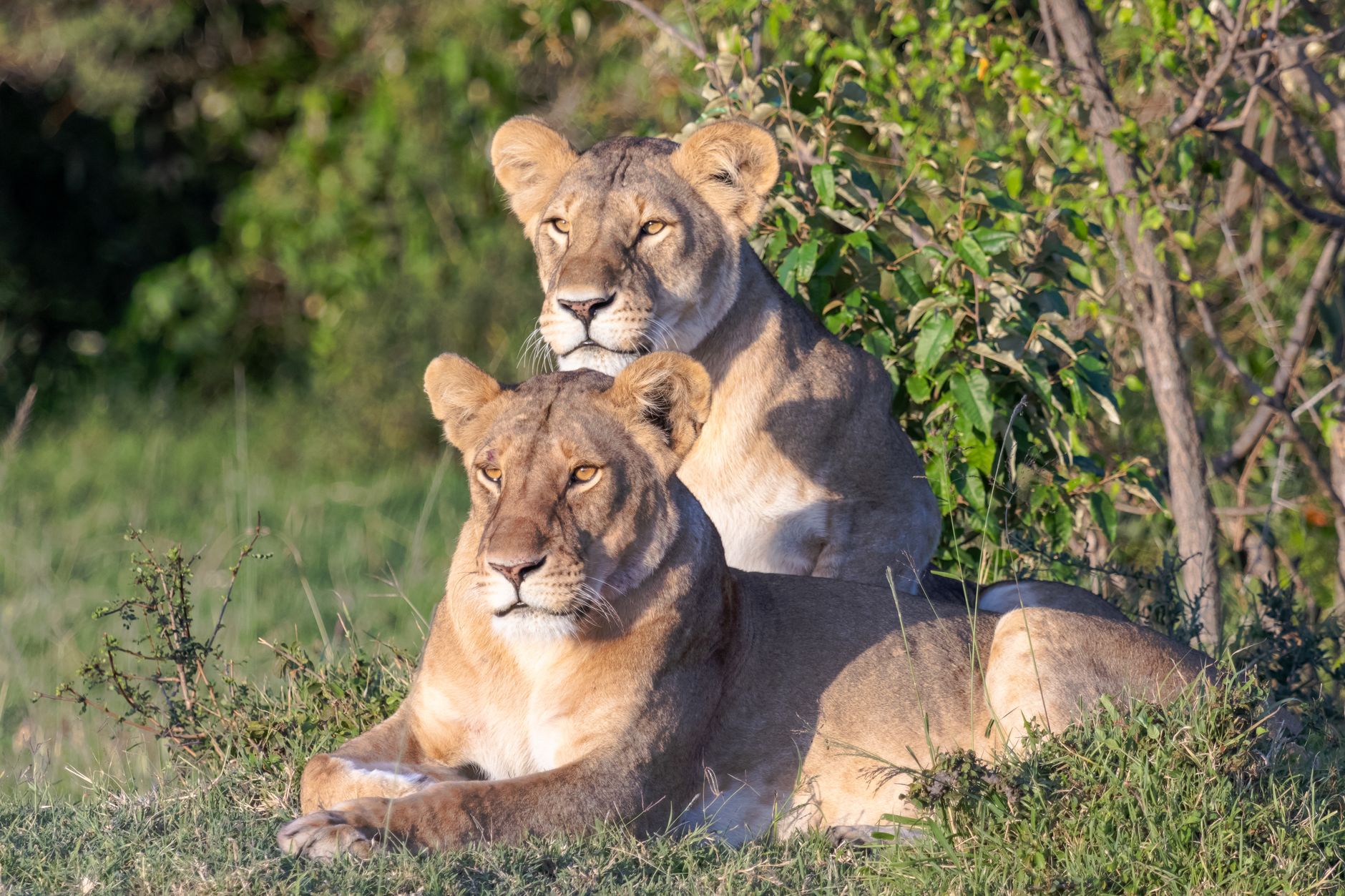
The Big Five, lion, leopard, elephant, buffalo, and rhino, are all possible but not guaranteed. The Masai Mara is your best chance for lion and leopard. Amboseli is reliable for elephants. Rhinos are most likely in Lake Nakuru or Ol Pejeta. Cheetahs are common in the Mara open plains. Samburu adds the special northern species. For a full breakdown of the Big Five and where to find them, see our Big Five guide. On any trip, your guide plays a huge role. A good guide knows animal behavior, tracks, and the best spots.
How Do You Compare Safari Operators for Your Kenya Trip?
Once you have your dates and preferences, the last step is choosing an operator. Compare safari operators before you decide, rather than booking with the first name you find. Platforms like FindMySafari, Valley Safaris, and Trunktrails Safaris let you browse packages, compare itineraries, and read reviews. Each has a different mix of camps and price points. Comparing a few options helps you see what a fair price looks like and gives you confidence when you ask questions. Take your time, ask for references, and confirm exactly what is included in the price before you commit.